

Can a robot station be moved easily?
As a supplier of robot stations, I often encounter this question from our customers. The answer is not a simple yes or no, as it depends on several factors. In this blog post, I will delve into the various aspects that determine the ease of moving a robot station and provide insights based on our experience in the industry.
Factors Affecting the Mobility of a Robot Station
1. Size and Weight
One of the most obvious factors is the size and weight of the robot station. Larger and heavier stations are generally more difficult to move. For instance, a large - scale industrial robot station used in automotive manufacturing can be extremely heavy and bulky. These stations often have large robotic arms, heavy bases, and integrated control systems. Moving such a station requires specialized equipment like cranes and forklifts, and a significant amount of manpower.
On the other hand, smaller robot stations, such as those used for laboratory research or small - scale production in workshops, are relatively easier to move. They can often be moved by a small team using basic moving equipment like hand trucks.
2. Design and Construction
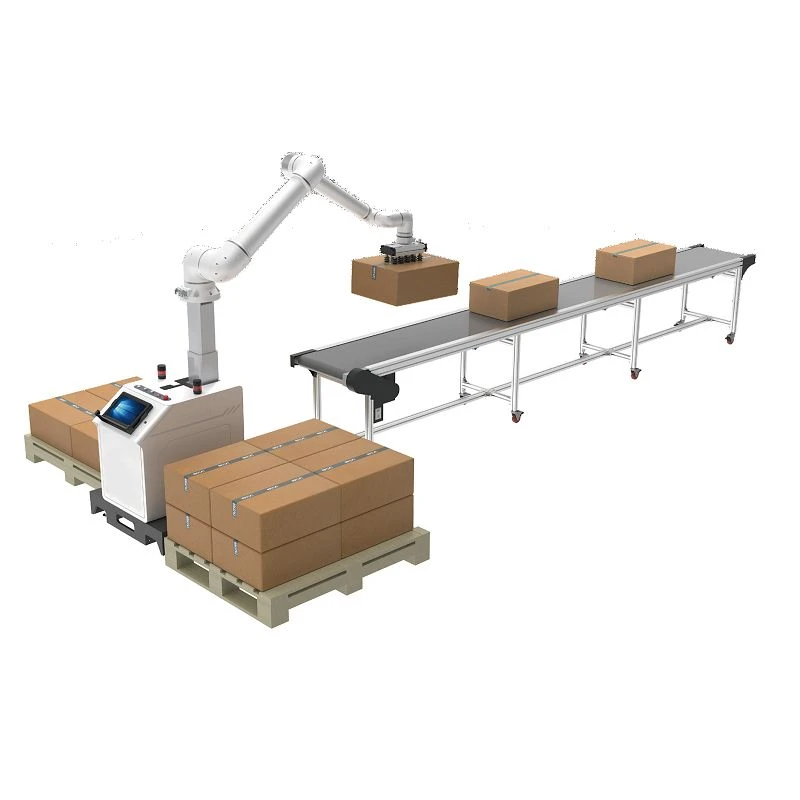
The design of the robot station also plays a crucial role. Some robot stations are designed with mobility in mind. They may have built - in wheels or casters, which allow for easy movement within a facility. These stations can be rolled from one location to another without much effort.
In contrast, stations that are built as a fixed part of a production line may be more difficult to move. They are often bolted to the floor or integrated with other equipment, and disassembling and reassembling them can be a complex and time - consuming process.
3. Power and Connectivity
Robot stations require power and connectivity to function. Moving a station means disconnecting and reconnecting these power and data cables. If the station has a complex wiring system, it can be a challenge to ensure that all connections are properly re - established after the move.
For example, a robot station with multiple sensors and actuators may have a large number of cables that need to be carefully labeled and reconnected. In some cases, the power requirements of the station may also limit its mobility. If it requires a specific high - voltage power supply that is only available in certain locations, moving the station may require additional electrical work.
4. Integration with Other Systems
Many robot stations are integrated with other systems in a production environment, such as conveyor belts, storage systems, or quality control devices. Moving the robot station may disrupt these integrations. For example, if a robot station is connected to a conveyor belt, moving the station may require realigning the conveyor or modifying its control system.
Ease of Moving Different Types of Robot Stations
1. Collaborative Robot Stations
Collaborative robot stations are designed to work alongside human operators. These stations are often more lightweight and flexible compared to traditional industrial robot stations. They are also more likely to be designed with mobility in mind.
Collaborative robots can be easily moved to different workstations within a facility, allowing for quick reconfiguration of the production process. For more information on collaborative robot applications, you can visit Collaborative Robot Application.
2. Specialized Robot Stations
Specialized robot stations, such as those with unique end - effectors or custom - built applications, may be more difficult to move. For example, a robot station with a Spider Hand App may have a complex mechanical and electrical setup that requires careful handling during the move. The unique design of the end - effector may also make it more challenging to reinstall and calibrate after the move.
Strategies for Moving a Robot Station
1. Planning
Proper planning is essential when moving a robot station. This includes assessing the size and weight of the station, identifying the necessary equipment for the move, and creating a detailed plan for disconnecting and reconnecting power and data cables. It is also important to consider the new location and ensure that it meets the requirements of the robot station, such as power supply and floor space.
2. Disassembly and Reassembly
If the robot station needs to be disassembled for the move, it is crucial to label all parts and cables clearly. This will make the reassembly process much easier and reduce the risk of errors. It is also recommended to have a team of experienced technicians perform the disassembly and reassembly to ensure that the station is properly reinstalled and calibrated.

3. Testing
After the robot station has been moved and reassembled, it is important to conduct thorough testing. This includes checking the power supply, testing the robotic arm's movement, and verifying the functionality of all sensors and actuators. Any issues should be addressed immediately to ensure that the station is fully operational.
Conclusion
In conclusion, whether a robot station can be moved easily depends on a variety of factors, including its size, design, power requirements, and integration with other systems. While some robot stations, such as collaborative robot stations, can be moved relatively easily, others may require more complex procedures and specialized equipment.
As a robot station supplier, we understand the challenges associated with moving these stations. We are committed to providing our customers with high - quality products that are designed with mobility in mind whenever possible. If you are considering purchasing a robot station and have questions about its mobility, or if you need assistance with moving an existing station, please feel free to contact us for a consultation. We look forward to working with you to meet your production needs.
References
- Industry reports on robot station design and mobility
- Case studies of robot station relocations in manufacturing facilities


