

In today's industrial landscape, the efficient handling of materials is a cornerstone of productivity. The ability to manage materials of varying densities is a critical challenge that automatic loading machines must address. As a trusted supplier of automatic loading machines, we have witnessed firsthand the diverse requirements of industries dealing with materials that span a wide range of densities. In this blog, we will explore the intricate mechanisms and innovative solutions that enable our automatic loading machines to handle materials with different densities effectively.
Understanding Material Density and Its Impact on Loading
Material density refers to the mass per unit volume of a substance. It is a fundamental property that influences how materials behave during the loading process. Materials with high density, such as metals or dense plastics, require a different approach compared to low-density materials like foam or lightweight fabrics. The density of a material affects factors such as weight, bulk, and flow characteristics, all of which must be considered when designing an automatic loading system.
- Weight Distribution: High-density materials are heavier and can exert greater pressure on the loading equipment. This requires the machine to be robustly constructed to withstand the additional stress. In contrast, low-density materials are lighter, but they may have a larger volume, which can affect the filling capacity and handling efficiency.
- Bulk and Flow: Dense materials often have a more compact structure and may flow differently than low-density materials. For example, powders with high density may be more cohesive and prone to clumping, while low-density powders may be more aerated and tend to flow more freely. Understanding these flow characteristics is crucial for ensuring accurate and consistent loading.
- Handling Requirements: Different densities may also necessitate different handling methods. For instance, heavy, dense items may need to be lifted and transported using specialized equipment, such as hoists or forklifts. On the other hand, lightweight, low-density materials may be more suitable for pneumatic or conveyor-based loading systems.
Mechanisms for Handling Different Densities
Our automatic loading machines are designed with a variety of mechanisms to accommodate materials with different densities. These mechanisms work together to ensure precise and efficient loading, regardless of the material's properties.
Adjustable Conveyor Systems
Conveyor systems are a common component of automatic loading machines. They provide a reliable and controlled way to transport materials from one location to another. Our conveyor systems are equipped with adjustable speed and height settings, allowing them to adapt to the specific requirements of different materials.
- Speed Control: By adjusting the conveyor speed, we can optimize the flow of materials based on their density. For high-density materials, a slower speed may be required to prevent overloading and ensure accurate positioning. In contrast, low-density materials can often be transported at a faster pace.
- Height Adjustment: The height of the conveyor can be adjusted to match the height of the loading container or the next processing stage. This is particularly important for materials with different bulk densities, as it helps to prevent spillage and ensure efficient filling.
Weight-Based Loading Systems
Weight-based loading systems are another effective way to handle materials with different densities. These systems use load cells or other weighing devices to measure the weight of the material being loaded and adjust the loading process accordingly.
- Precision Weighing: Our weight-based loading systems are capable of high-precision weighing, ensuring that the correct amount of material is loaded each time. This is essential for applications where accurate dosing is critical, such as in the pharmaceutical or food industries.
- Automatic Adjustment: Based on the measured weight, the loading system can automatically adjust the flow rate or the duration of the loading process. For example, if a high-density material is being loaded, the system may slow down the flow to prevent overloading. Conversely, for a low-density material, the system may increase the flow rate to achieve the desired weight.
Pneumatic and Vacuum Systems
Pneumatic and vacuum systems are commonly used for handling lightweight, low-density materials. These systems use air pressure or vacuum to move materials through pipes or hoses, providing a gentle and efficient way to transport materials without the need for mechanical contact.
- Gentle Handling: Pneumatic and vacuum systems are ideal for materials that are fragile or easily damaged. The use of air or vacuum ensures that the material is handled gently, reducing the risk of breakage or deformation.
- Versatility: These systems can be easily adjusted to handle materials with different densities and flow characteristics. By adjusting the air pressure or vacuum level, we can control the flow rate and the amount of material being transported.
Customized Feeding Mechanisms
In some cases, materials with unique density characteristics may require customized feeding mechanisms. Our engineering team has extensive experience in designing and building custom solutions to meet the specific needs of our customers.
- Specialized Feeding Devices: We can develop specialized feeding devices, such as vibratory feeders or screw conveyors, to handle materials with specific flow properties. These devices can be tailored to the density, shape, and size of the material, ensuring accurate and consistent feeding.
- Integrated Systems: Our custom feeding mechanisms can be integrated into the overall automatic loading system, providing a seamless and efficient solution. This allows for greater flexibility and control over the loading process, ensuring that the system can adapt to changing material requirements.
Case Studies: Handling Materials with Different Densities
To illustrate the effectiveness of our automatic loading machines in handling materials with different densities, let's take a look at some real-world case studies.
Handling High-Density Metals
One of our customers in the automotive industry needed to load high-density metal parts into a machining center. The parts were heavy and had a high density, which posed a challenge for the loading process.
We installed an automatic loading machine with a robust conveyor system and a weight-based loading system. The conveyor was designed to handle the heavy weight of the metal parts, and the weight-based system ensured that the correct number of parts was loaded each time. The system also included a custom feeding mechanism to accurately position the parts for machining.
As a result, the customer was able to increase their production efficiency by 30% and reduce the risk of errors and downtime associated with manual loading.
Handling Low-Density Foam
Another customer in the packaging industry required a system to load low-density foam sheets into a packaging machine. The foam sheets were lightweight and had a large volume, which made them difficult to handle using traditional loading methods.
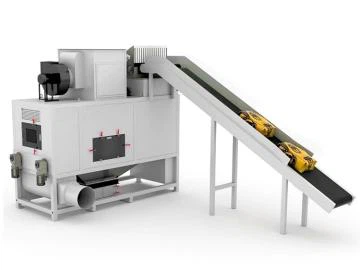

We designed an automatic loading machine with a pneumatic system and an adjustable conveyor. The pneumatic system used air pressure to gently lift and transport the foam sheets, while the adjustable conveyor allowed for precise positioning. The system also included a sensor to detect the presence of the foam sheets and adjust the loading process accordingly.
The customer was able to achieve a significant improvement in their packaging efficiency, with a reduction in waste and an increase in throughput of 25%.
Conclusion
Handling materials with different densities is a complex but essential task in many industries. Our automatic loading machines are designed to meet this challenge by incorporating a range of mechanisms and innovative solutions. From adjustable conveyor systems and weight-based loading systems to pneumatic and vacuum systems and custom feeding mechanisms, our machines can handle materials of all densities with precision and efficiency.
If you are looking for an automatic loading machine that can handle materials with different densities, we invite you to contact us for a consultation. Our team of experts will work with you to understand your specific requirements and recommend the best solution for your application.
References
- Smith, J. (2020). Industrial Material Handling: Principles and Practices. Wiley.
- Jones, A. (2019). Automatic Loading Systems for Manufacturing. Elsevier.
- Brown, C. (2018). Handling Materials of Different Densities in Industrial Applications. Journal of Material Handling Technology, 35(2), 123-135.


