

As a supplier of Automatic Unloading Vats, I understand the importance of maintaining these machines to ensure optimal performance. One of the key aspects of maintenance is replacing wear-prone parts. In this blog post, I'll share a comprehensive guide on how to replace the wear-prone parts of an Automatic Unloading Vat.
Understanding the Automatic Unloading Vat
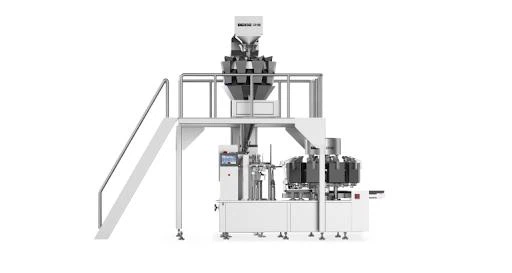
Before delving into the replacement process, it's essential to have a basic understanding of the Automatic Unloading Vat. This machine is a crucial part of many industrial processes, designed to efficiently unload materials from containers. It's widely used in various industries, including manufacturing, food processing, and chemical production. You can learn more about it on our Automatic Unloading Vat page.
Identifying Wear-Prone Parts
The first step in replacing wear-prone parts is to identify them. Common wear-prone parts in an Automatic Unloading Vat include:
- Seals and Gaskets: These are used to prevent leaks and ensure a tight closure. Over time, they can wear out due to constant pressure and friction.
- Belts and Chains: They are responsible for transferring power and moving components within the machine. Continuous use can cause them to stretch or break.
- Bearings: Bearings support rotating parts and reduce friction. They can wear out due to high loads and continuous movement.
- Sensors: These are used to detect and monitor various parameters in the machine. Dust, moisture, and electrical interference can cause sensor malfunction.
Tools and Materials Needed
Before you start replacing the parts, gather the necessary tools and materials. Here's a list of items you might need:
- Wrenches and Screwdrivers: Different sizes are required to remove and install various components.
- Replacement Parts: Make sure you have the correct replacement parts for your specific Automatic Unloading Vat model. You can find related products like Automatic Unloading Plastic Frame on our website.
- Lubricant: Some parts may require lubrication during installation.
- Cleaning Supplies: Use these to clean the machine components before installing the new parts.
Step-by-Step Replacement Process
1. Safety First
Before starting any maintenance work, ensure the Automatic Unloading Vat is powered off and disconnected from the power source. This prevents any electrical accidents during the replacement process. Also, wear appropriate safety gear, such as gloves and safety glasses.
2. Accessing the Wear-Prone Parts
Locate the access panels or covers that provide access to the wear-prone parts. Use the appropriate tools to remove the panels and expose the components.
3. Removing the Old Parts
Carefully remove the old parts, taking note of their orientation and how they are connected. For example, when removing a belt, observe how it is routed around the pulleys. Keep the removed parts in a safe place in case you need to refer to them later.
4. Cleaning the Area
Once the old parts are removed, clean the area where the new parts will be installed. Remove any dirt, debris, or old lubricant. This helps ensure a proper fit and reduces the risk of premature wear on the new parts.

5. Installing the New Parts
Take the new parts and install them in the same orientation as the old ones. Make sure they are properly seated and connected. For example, when installing a new seal, ensure it is seated correctly in the groove. Tighten any bolts or screws to the specified torque using the appropriate tools.
6. Lubrication
If required, apply the appropriate lubricant to the moving parts. This helps reduce friction and wear, extending the lifespan of the parts.
7. Testing
After installing the new parts, reassemble the access panels and covers. Reconnect the power source and test the Automatic Unloading Vat to ensure it is functioning properly. Check for any leaks, unusual noises, or other signs of problems.
Troubleshooting Tips
- Leaking: If you notice a leak after replacing a seal or gasket, double-check that it is properly installed and seated. You may need to reapply some sealant or replace the part again.
- Belt Slippage: If the belt is slipping, check its tension. You may need to adjust the tensioning mechanism or replace the belt if it is worn out.
- Sensor Malfunction: If a sensor is not working correctly, check its connections and make sure it is properly positioned. You may need to clean or replace the sensor.
Importance of Regular Maintenance
Replacing wear-prone parts is just one aspect of regular maintenance. Regularly inspecting and maintaining your Automatic Unloading Vat can help prevent breakdowns, extend the machine's lifespan, and improve its efficiency. It also ensures the safety of your workers and the quality of your products.
Related Products and Services
In addition to the Automatic Unloading Vat, we also offer a range of related products, such as Automatic Loading Machine, Automatic Unloading Glass, and Loading and Unloading Machine. These products are designed to work together to provide a complete loading and unloading solution for your business.
Contact for Purchase and Consultation
If you are interested in purchasing an Automatic Unloading Vat or need further assistance with maintenance and part replacement, feel free to contact us. Our experienced team is ready to provide you with professional advice and support.
References
- Industrial Machinery Maintenance Handbook.
- Automatic Unloading Equipment Technical Manual.


