Abstract: This paper reviews the transformation of the packaging industry from the traditional model to the intelligent model, focusing on the key role of artificial intelligence in it, and analyzing the impact and challenges brought about by the transformation.
Keywords: Packaging industry; Traditional model; Artificial intelligence; Industry reshaping
The traditional packaging industry mainly relies on manual labor and simple mechanical equipment, and has problems such as low production efficiency, unstable quality, and waste of resources. With the rise of artificial intelligence technology, the packaging industry has ushered in an opportunity for reshaping.

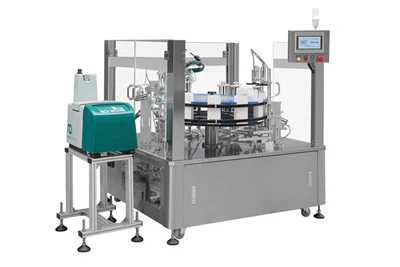
In terms of improving production efficiency, artificial intelligence-driven automated production lines have become the main force. Intelligent robots can work 24 hours a day without interruption, and their operations are precise, greatly shortening the production cycle. For example, on the beverage packaging production line, intelligent robots can quickly complete a series of actions such as bottle grabbing, filling, sealing, and labeling, and can process thousands of packages per hour, which is several times the efficiency of manual labor.
At the quality control level, artificial intelligence technology provides reliable guarantee for packaging quality. The machine vision system uses image recognition algorithms to conduct all-round inspection of packaging, which can detect extremely subtle defects, such as tiny scratches on drug packaging and loose sealing of food packaging, to ensure product quality and safety and maintain brand reputation.
In the field of packaging design, artificial intelligence provides designers with powerful tools. By analyzing consumer preferences and market trends through big data, artificial intelligence can generate creative design concepts, help designers break through the limitations of thinking, and design packaging that better meets market demand.
In the logistics and transportation link, artificial intelligence optimizes the logistics supply chain. Through real-time analysis of logistics data, reasonable planning of transportation routes, selection of the best transportation method and delivery time, reduction of logistics costs, and improvement of delivery timeliness. For example, after an e-commerce company used an artificial intelligence logistics system, logistics costs were reduced by 15%, and the on-time delivery rate was increased to more than 95%.
However, in the process of the packaging industry's transformation to intelligence, it faces challenges such as a shortage of technical talents and difficulty in system integration. Enterprises need to strengthen cooperation with universities and scientific research institutions to cultivate professional talents, while increasing investment in technology research and development to overcome technical difficulties.